
Electricity 101


How does power get to you?
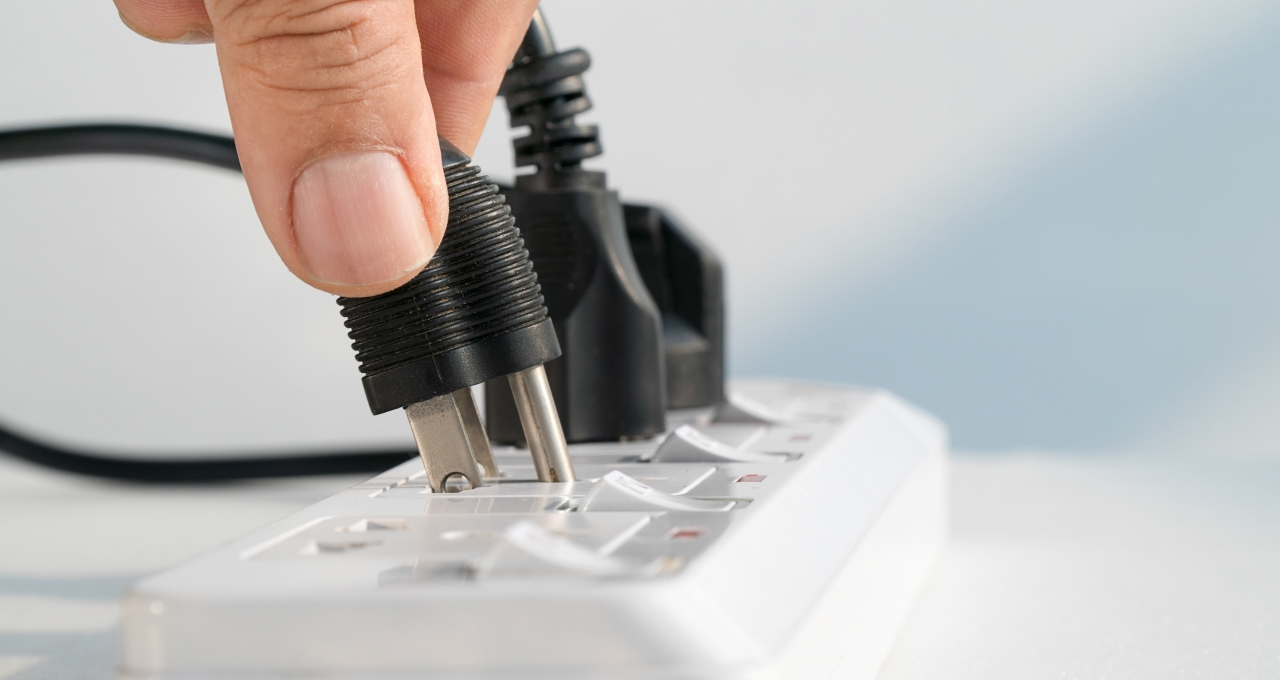
Where it all starts
Electricity is created at power plants and then transported over long distances to reach homes, schools, hospitals, and businesses. The electricity grid in Canada is interconnected with power lines facilitating this distribution process.
When electricity is created it typically possesses a voltage of around 20,000 volts. Voltage is a measure of the force propelling electrons within a circuit. To increase the efficiency in transporting electricity over long distances on transmission wires, the voltage is typically increased up to ~245,000 volts using a transformer.
Cross-country journey
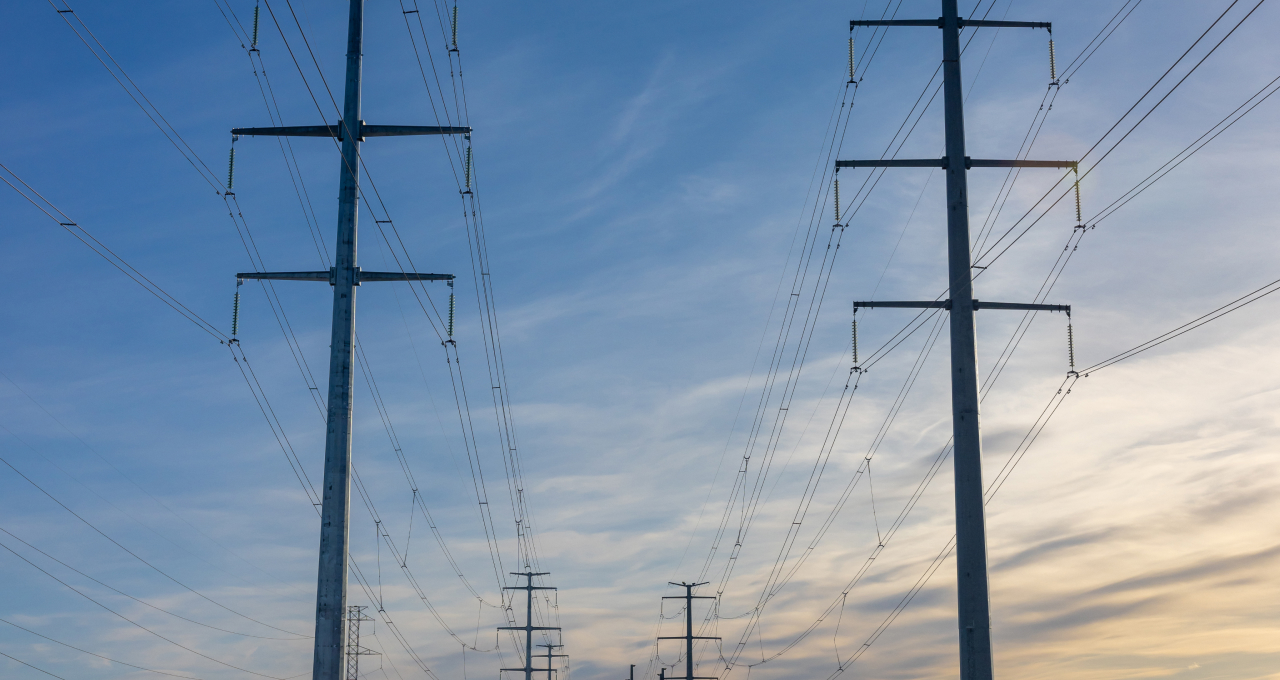
The electricity then goes into long thick cables called transmission lines. The wires are made of copper and aluminum because these metals let electricity flow through them easily. You can tell you are looking at transmission lines when you see high towers – often made of steel - with many wires attached to them going across the countryside.
When the electricity on the transmission lines gets close to where it will be used it goes into a substation. The substation contains electrical equipment such as transformers. The transformers lower the voltage of the electricity to match where it will be used. Factories, mass transit systems, streetlights, businesses and homes all need the electricity to be at a different voltage.
Moving from the substation to your community
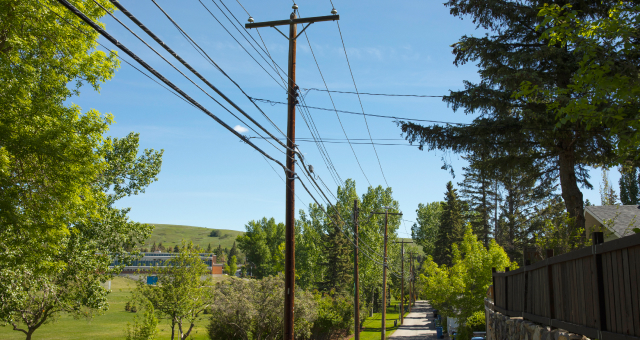
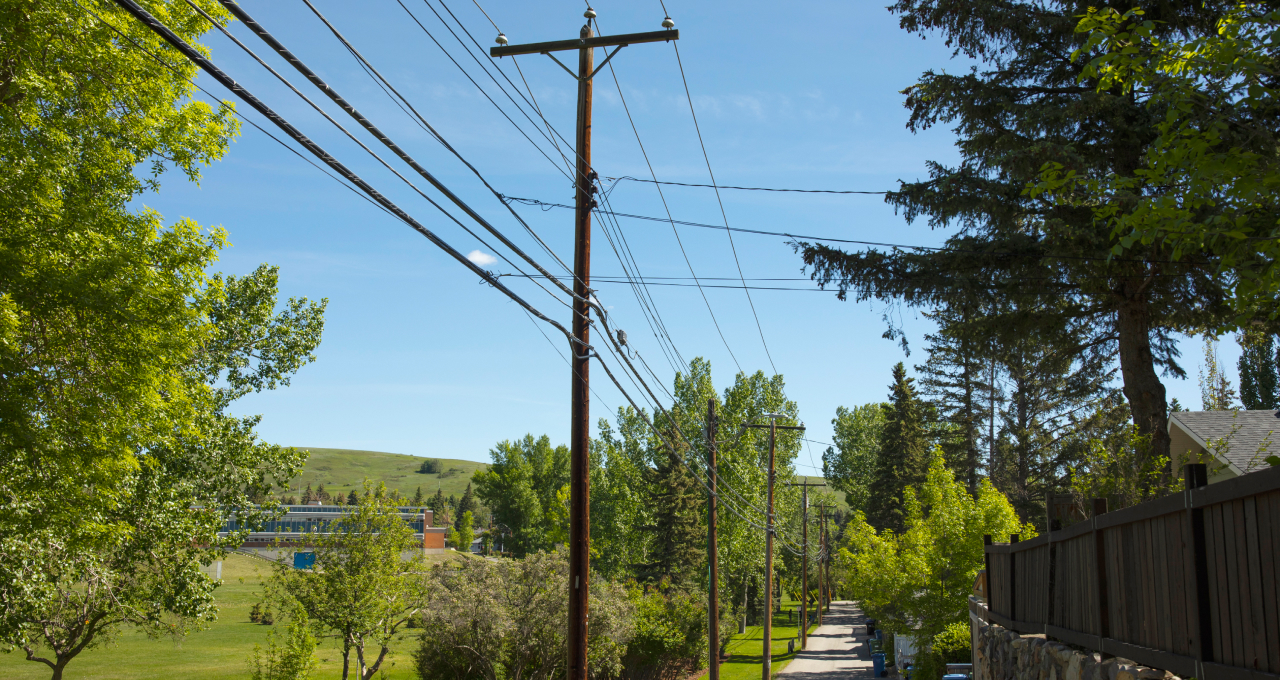
Electricity leaves the substation on smaller wires called distribution lines to take it to homes and businesses.
In some communities, distribution lines are overhead and you can see them. Newer neighborhoods have the distribution lines underground so you may not even know they are there.


It arrives
When the distribution wires reach your neighborhood, another small transformer, mounted on a pole or in a utility box, lowers the voltage of the electricity even more so it can be used in your house. The voltage is eventually reduced to 220 volts for larger appliances, like stoves and clothes dryers, and 120 volts for lights, televisions and other smaller appliances.
When electricity enters your home, it must pass through a meter. A member of the ENMAX Power Corporation team reads the meter so we'll know how much electricity you used and can provide you with an accurate bill.
After being metered, the electricity goes through a fuse box into your home. The fuse box protects the house in case of problems. When a fuse or a circuit breaker 'blows' or 'trips', something went wrong with an appliance or something short-circuited.